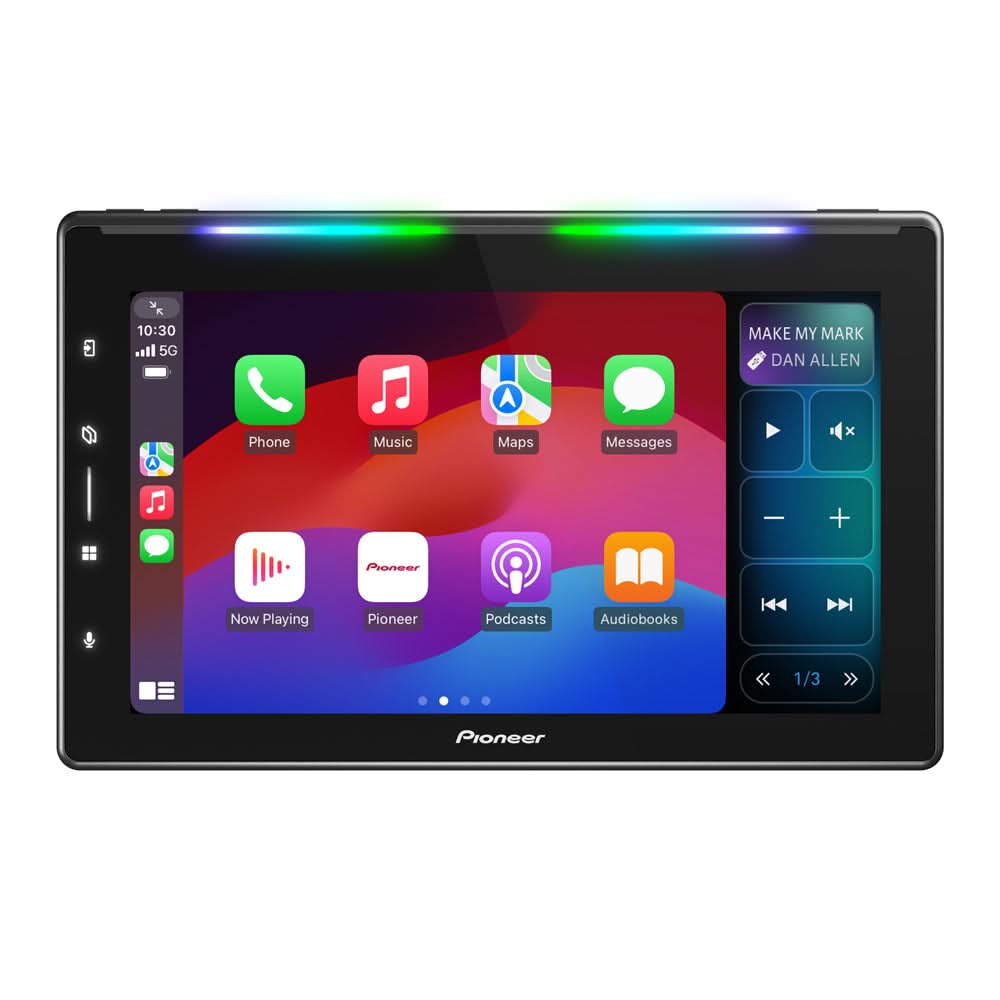
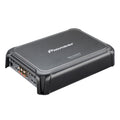
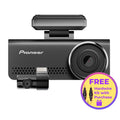
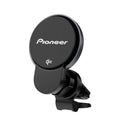
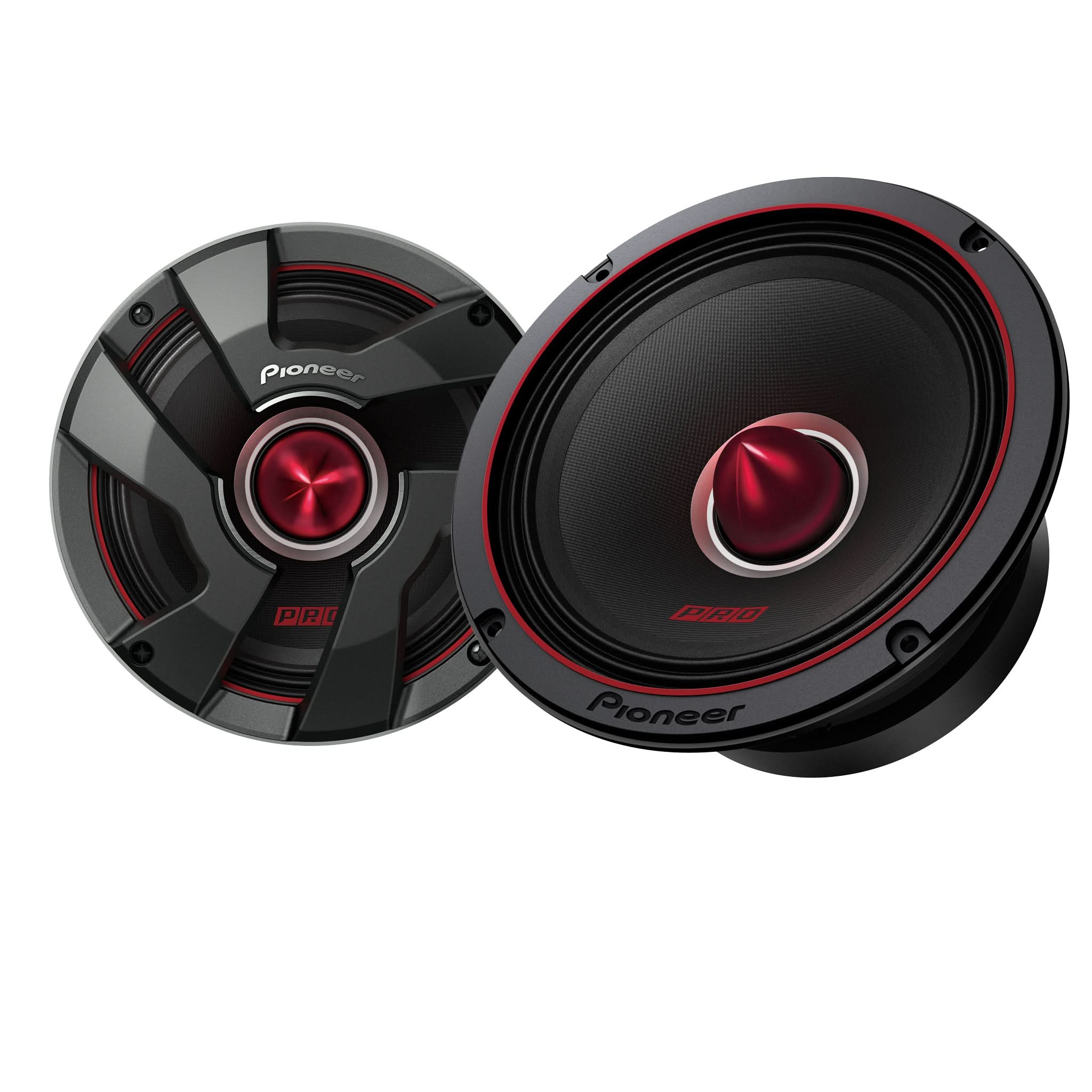
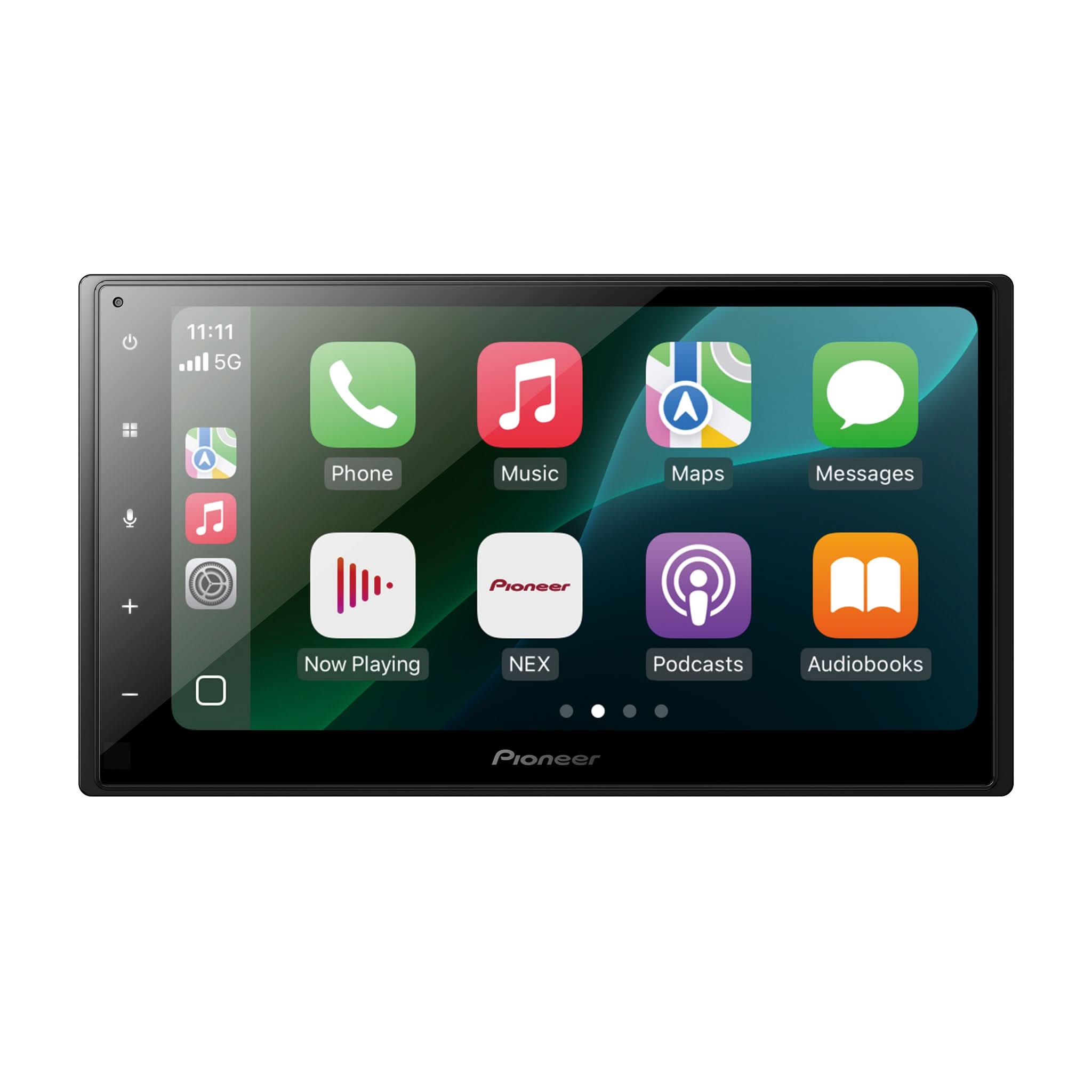
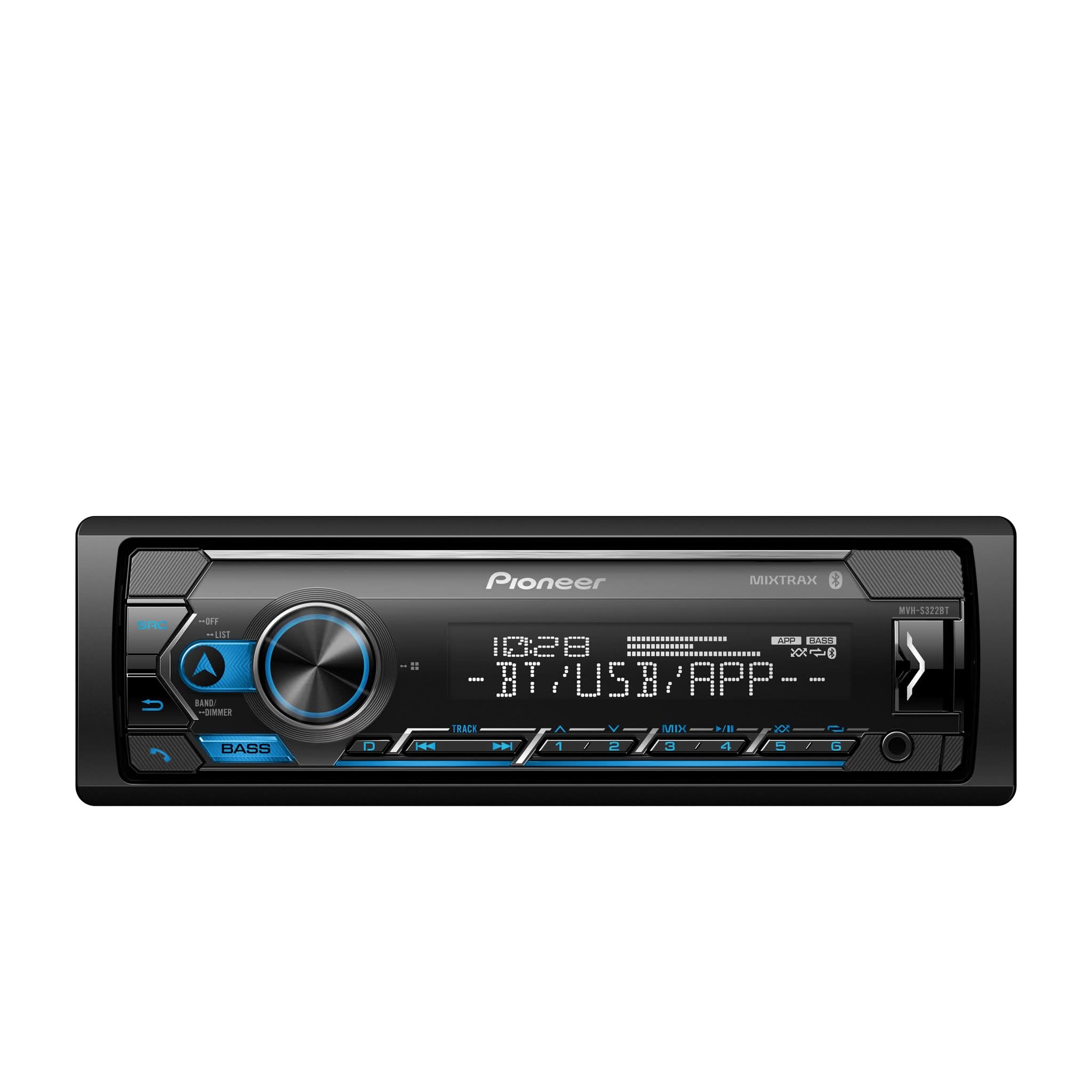
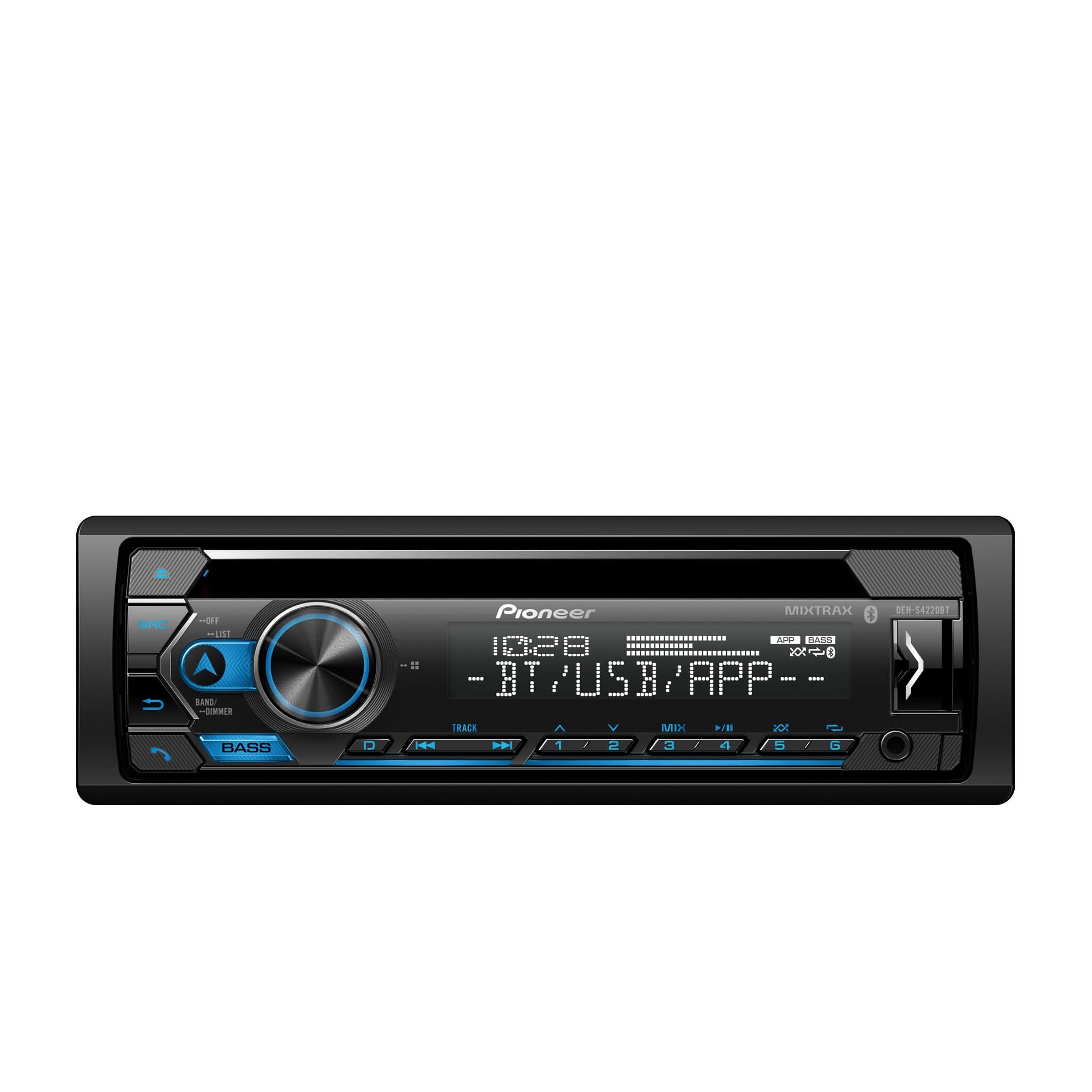
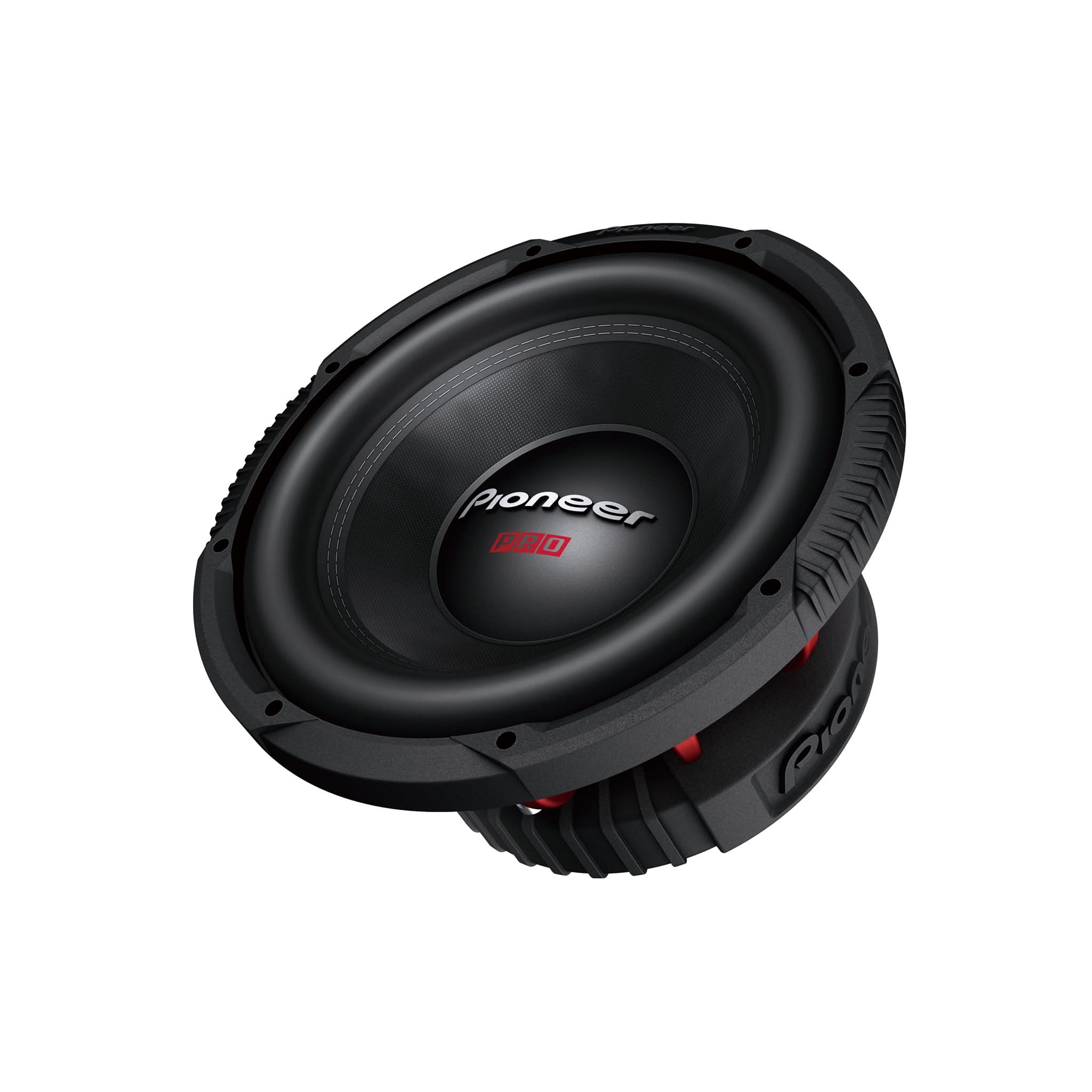
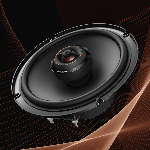

LE MEILLEUR CHOIX POUR UN SON EXCEPTIONNEL DANS VOTRE VOITURE, SURTOUT SI VOUS AVEZ UNE UNITÉ PIONEER SPHERA !
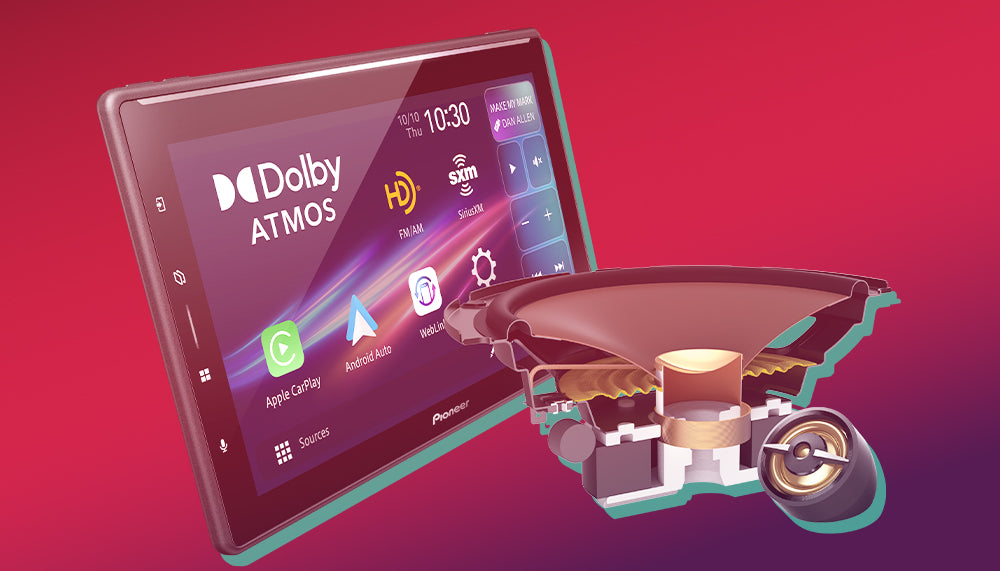

INTRODUCTION
Pioneer a été fondée au Japon en 1938 par Matsumoto-San, un passionné de musique et innovateur. Ce même esprit nous anime encore aujourd'hui : un amour profond du son, associé à un engagement pour un design réfléchi, des tests rigoureux et une fabrication de qualité.
Aujourd'hui, Pioneer reste l'un des rares noms de l'audio automobile dédié à offrir un son exceptionnel de la source à l'oreille. Tout comme les artistes et les ingénieurs soignent chaque enregistrement, nous travaillons à recréer fidèlement cette richesse et ce détail dans votre véhicule grâce à des produits conçus pour la performance et la fiabilité à long terme.
Parce que Pioneer conçoit et fabrique chaque élément clé de la chaîne audio—de la lecture et du traitement à l'amplification et à la performance des haut-parleurs—vous pouvez compter sur une solution conçue pour apporter plus de plaisir à chaque trajet.

VOTRE BULLE MUSICALE PERSONNELLE
Écouter de la musique dans votre voiture présente des défis, notamment acoustiques. Mais cela crée aussi un avantage unique : un espace d'écoute personnel où vous êtes entouré par les emplacements originaux des haut-parleurs. Le petit habitacle vous rapproche des surfaces comme les portes, les fenêtres et le plafond, permettant au Pioneer SPHERA et au traitement Dolby Atmos d'utiliser les réflexions sonores pour améliorer l'expérience audio spatiale.
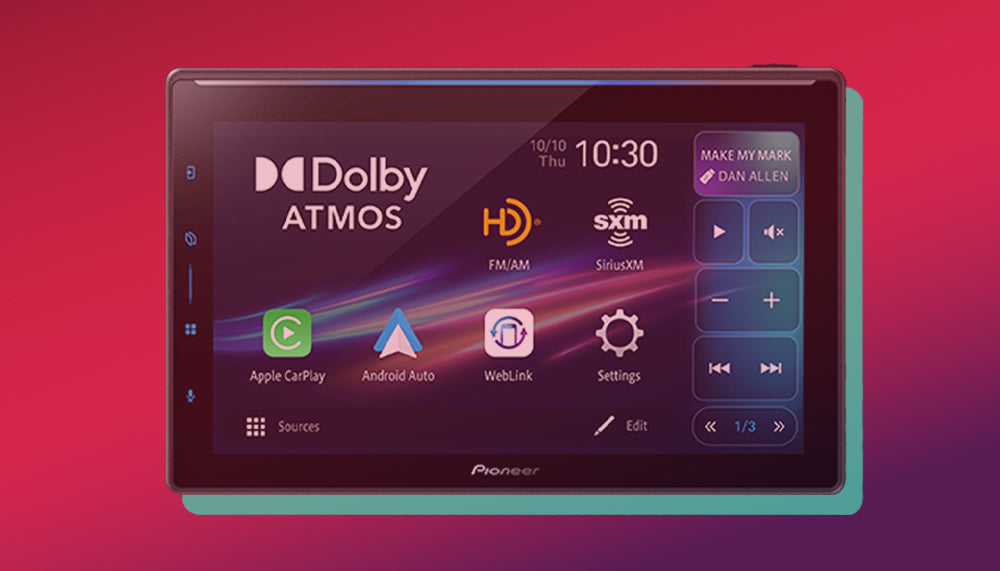
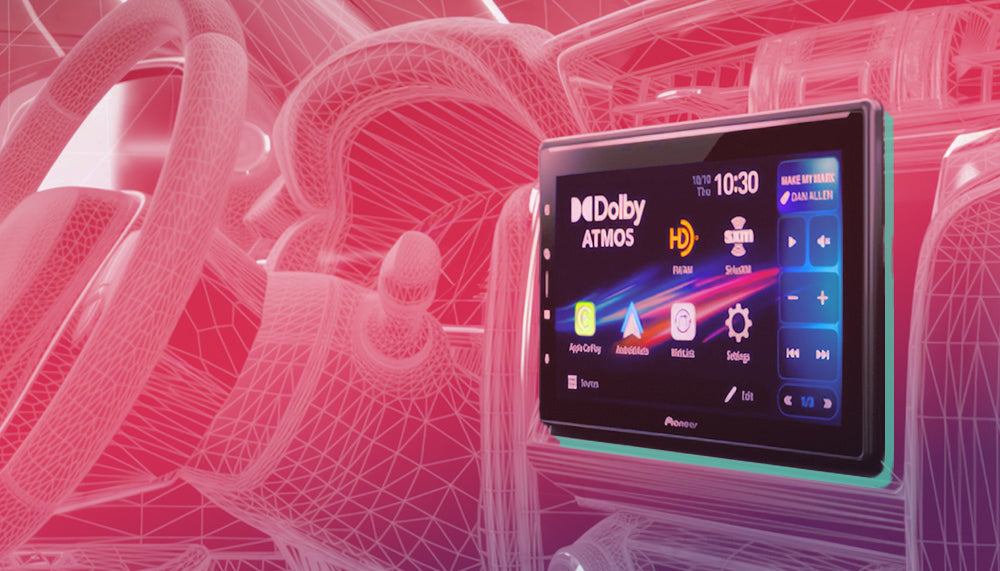
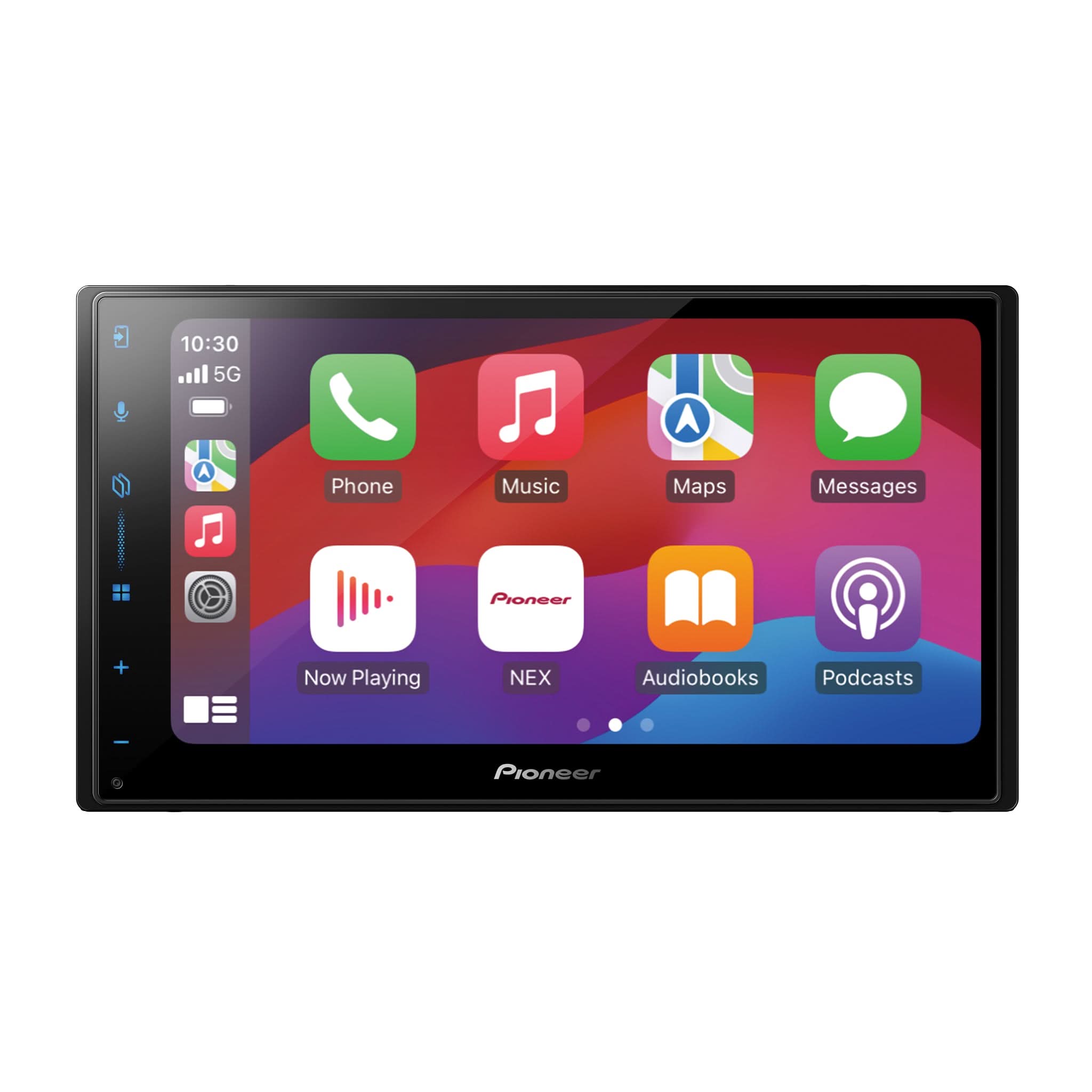
Comme mentionné dans notre article précédent, vous pouvez lire ICI, tLe Pioneer DMH-WT8000NEX (SPHERA) utilise cet environnement, ainsi que des sources audio spatiales, pour recréer une scène sonore immersive. Son traitement avancé—combiné à un processus de calibration facile à utiliser et au microphone inclus—permet de délivrer cet effet en utilisant seulement quatre points sources audio. Le résultat est une expérience d'écoute où les instruments et les voix semblent naturellement placés, plutôt que liés à des haut-parleurs spécifiques.
Gardez à l'esprit que quatre canaux ne signifient pas toujours quatre haut-parleurs. Une configuration à deux ou trois voies peut toujours fonctionner comme un seul canal, tant que les haut-parleurs sont correctement intégrés via le filtrage approprié.
Voyons maintenant trois de ces défis auxquels les haut-parleurs de voiture doivent faire face ;
- L'environnement,
- Emplacements des haut-parleurs,
- L'acoustique de l'habitacle du véhicule.

DÉFI ENVIRONNEMENT
L'environnement de la voiture peut être décrit comme hostile aux variations de température et d'humidité, au soleil et aux rayons UV, mais surtout aux défis acoustiques.
Pour vous assurer que vos haut-parleurs de voiture s'adaptent correctement, voici les points les plus importants à considérer ;
- Est-il compatible avec votre voiture et vos besoins ?
- A-t-il la bonne forme et la bonne taille ?
- Avez-vous assez d'espace pour accueillir la profondeur du haut-parleur ?
- L'aimant dépasse-t-il de la fenêtre de la porte ?
- Pour un haut-parleur coaxial, avez-vous l'espace nécessaire ou le tweeter va-t-il gêner la garniture de la porte ?
- La configuration de votre voiture nécessite-t-elle des plaques d'adaptation pour un montage spécifique à votre tôle, pour fournir un dégagement arrière suffisant, ou pour correspondre parfaitement à la garniture de porte ?
- Les matériaux utilisés pour fabriquer les haut-parleurs sont-ils capables de résister à divers éléments : température, humidité, vibrations, etc. ?

EMPLACEMENTS DIFFICILES DES HAUT-PARLEURS ET ACOUSTIQUE DE L'HABITACLE
Le placement des haut-parleurs dans une voiture est rarement idéal. Comparé à une salle d'écoute ou un home cinéma, un véhicule est un environnement bien plus exigeant. Au-delà de la chaleur, de l'humidité et des vibrations, les haut-parleurs de voiture doivent être conçus pour des emplacements de montage et une acoustique très différents de ceux de l'audio domestique. Ces facteurs ont un impact majeur sur la performance une fois les haut-parleurs installés :
- Un environnement d'écoute plus petit.
- Haut-parleurs positionnés en dehors du « sweet spot » typique par rapport à l'auditeur.
- Différentes distances entre les haut-parleurs et les auditeurs.
- Différentes positions et angles des haut-parleurs, par exemple, les angles et le positionnement de vos tweeters ou haut-parleurs dans les portes.
- Différentes hauteurs d'installation (par exemple : tweeters sur le tableau de bord près du pare-brise et woofer installé dans la partie inférieure de la porte)
- Différents matériaux, formes et textures dans l'habitacle influencent grandement la manière dont les sons se propagent et se réfléchissent dans votre environnement.
- Etc.

COMMENCEZ AVEC UNE BONNE BASE !
Lors du choix des haut-parleurs pour votre voiture, recherchez des modèles qui sonnent de manière cohérente à la fois sur l'axe et hors axe. Dans un véhicule, les haut-parleurs gauche et droit sont placés à des distances et angles différents par rapport au conducteur, donc un haut-parleur qui change trop selon la position d'écoute produira une scène sonore inégale. Cela signifie souvent qu'une correction plus importante est nécessaire via un égaliseur ou un DSP. Bien que Pioneer SPHERA puisse gérer ce traitement avec aisance, les meilleurs résultats commencent toujours par des haut-parleurs offrant une réponse naturellement équilibrée depuis différentes positions et angles. Si vos haut-parleurs vous donnent des résultats similaires malgré leur installation à des positions et angles différents, cela élèvera simplement votre expérience à un autre niveau. Bien sûr, cela réduira également considérablement toute contrainte possible sur le traitement audio, car il nécessitera moins de corrections pour compenser ces petites différences.
Si vous commencez avec des haut-parleurs inadaptés, atteindre d'excellents résultats sera difficile—voire impossible. En bref, commencez avec une bonne base.

OUVERT & FLUIDE
Pour tirer le meilleur parti de la bulle immersive créée par Pioneer SPHERA, choisissez des haut-parleurs avec une forte uniformité. Plus leur réponse en fréquence reste proche sur l'axe et hors axe, plus votre expérience d'écoute sera naturelle et cohérente.
Ce résultat acoustique est possible en travaillant principalement sur deux aspects de conception des haut-parleurs automobiles ;
- La propagation acoustique du haut-parleur, en particulier pour les hautes fréquences.
- La transition entre les différents éléments qui composent l'enceinte, par exemple la transition entre le médium et le tweeter, qu'il s'agisse d'une enceinte coaxiale ou d'un ensemble de composants.
Pour répondre à cela, Pioneer a créé et perfectionné, année après année, le concept sonore OPEN & SMOOTH qui assure une transition fluide et homogène entre les haut-parleurs médiums et tweeters et offre une réponse en fréquence uniforme hors axe, optimisée pour les applications automobiles où une ou plusieurs enceintes sont souvent orientées loin des oreilles des auditeurs.

La partie "SMOOTH" vise la transition des fréquences et l'optimisation du mélange entre les différents éléments de l'enceinte coaxiale ou de l'ensemble de composants, comme l'union du woofer/médium et du tweeter. Chaque enceinte Pioneer est conçue pour ne présenter ni creux ni pics acoustiques marqués aux points de transition entre les éléments qui divisent la bande audio (filtres passifs). De plus, nos tweeters affichent une bande passante plus large, permettant des fréquences plus basses et offrant ainsi une plus grande stabilité acoustique dans les transitions entre les fréquences moyennes et aiguës. En procédant ainsi, les enceintes Pioneer offrent une cohérence acoustique très élevée et une voix plus naturelle et stable, tant en termes de fréquences que d'image sonore.
Cette caractéristique sonore Pioneer est particulièrement appréciable lorsqu'on utilise une combinaison d'enceintes où le woofer/médium est normalement installé en bas des portières du véhicule et où les tweeters se trouvent typiquement plus haut sur le tableau de bord, à côté du miroir de porte ou sur le montant A. Un tweeter positionné plus haut offrira une image sonore plus élevée, des notes plus précises et des informations plus détaillées. Cependant, éloigner ce même tweeter du woofer/médium entraînera également certains inconvénients et générera un mouvement acoustique vertical indésirable de l'image sonore ; une scène sonore plus basse pour les voix graves, tandis qu'elle sera beaucoup plus haute pour les voix aiguës. Cette différence, facilement perceptible lorsque les composants des enceintes sont éloignés les uns des autres, sera aussi grandement accentuée lors d'une écoute hors axe de vos enceintes normalement installées dans la partie inférieure avant des portières. Si vous êtes confronté aux deux situations en même temps, vous aurez le scénario le plus difficile pour obtenir un rendu acoustique de qualité sans pertes, et le mélange de ces composants qui devraient agir comme un seul point source audio sonnera de manière non naturelle. C'est pourquoi notre conception d'enceinte Pioneer "Smooth" a tout son sens dans cette application.

La partie "OPEN" se concentre davantage sur les éléments acoustiques qui peuvent apporter une plus grande ouverture sonore mais, surtout, offre des fonctionnalités pour minimiser toute variation drastique de la réponse en fréquence des enceintes, selon l’angle d’écoute et la propagation acoustique. L’objectif ultime est d’obtenir une plus grande similitude entre les ondes transmises directement devant l’enceinte et celles émanant à divers angles.
Le positionnement des enceintes dans un véhicule implique non seulement des distances différentes, mais surtout des angles différents qui influencent la façon dont nos oreilles perçoivent les sons émis, qu’ils soient transmis directement à nos oreilles ou qu’ils proviennent de réflexions acoustiques en rebondissant sur les différents éléments de l’habitacle. Par conséquent, si une enceinte n’est pas capable d’offrir une certaine uniformité à travers ces changements d’angle, il sera impossible pour les occupants de la voiture de profiter d’un son naturel et cohérent lors des différents mouvements acoustiques provenant des différentes sources.
Lorsque vous analysez et cherchez à remplacer les enceintes de votre voiture, ne faites pas l’erreur de les écouter comme vous le feriez pour des enceintes domestiques. Prenez le temps de les écouter, idéalement dans une voiture, ou, si vous le faites en magasin, veillez à écouter ces enceintes sous différents angles d’écoute, en gardant à l’esprit que tout changement acoustique significatif dû à un changement d’angle d’écoute réduira fortement votre expérience musicale dans votre véhicule. Dans une voiture, vous n’êtes jamais face à une enceinte.
NOTE DE FIN
Pioneer SPHERA offre une expérience musicale immersive qui va bien au-delà du stéréo conventionnel. Il a été conçu pour s’adapter à la grande majorité des véhicules sur le marché sans nécessiter d’enceintes supplémentaires au plafond ni de canal central là où aucun emplacement d’origine n’existe. Et bien que Pioneer SPHERA améliore significativement votre son même avec les enceintes d’origine de votre véhicule, ces enceintes OEM limiteront toujours le plein potentiel de l’audio spatial et de votre expérience sonore.
Le reste dépend de vous. Lorsque vous serez prêt à améliorer votre expérience, souvenez-vous que tout système audio est aussi performant que son maillon le plus faible. Dans ce contexte, passer aux enceintes Pioneer Open & Smooth est un investissement modeste avec un grand retour : un son plus naturel et captivant, et le plaisir d’écouter votre musique préférée d’une toute nouvelle manière.