

SUBWOOFERS ET CAISSES – PAS UNE SOLUTION UNIQUE POUR TOUS !


CAISSONS DE BASSES - INDISPENSABLES POUR UN SYSTÈME AUDIO
Quand il est temps de profiter d’une excellente musique dans votre voiture, les caissons de basses sont essentiels. Parce qu’ils reproduisent les basses fréquences, ajoutant profondeur, chaleur et impact physique à votre musique préférée, ce que les haut-parleurs full-range ne peuvent pas faire seuls, les caissons de basses apportent de la vie aux meilleures mélodies. Cela crée une expérience audio plus immersive, détaillée et dynamique, même à faible volume.
Le caisson de basses soulage également les haut-parleurs principaux, améliorant leur clarté tout en vous permettant d’écouter fort sans distorsion.
Pourquoi sont-ils importants ?
- Ils ajoutent les dimensions physique et émotionnelle des basses fréquences (notes profondes, impacts explosifs), rendant la musique plus réaliste.
- Ils gèrent les basses fréquences que vos haut-parleurs principaux ne peuvent pas ou ont du mal à reproduire.
- En déléguant les basses au caisson de basses, les haut-parleurs full-range de votre voiture se concentreront sur les fréquences moyennes et aiguës, offrant des voix plus claires et des paysages sonores plus détaillés.
- Ils vous permettent d’écouter fort sans distorsion, avec des basses percutantes et bien contrôlées, renforçant la dynamique musicale.
- Ils vous permettent de profiter pleinement de la musique même à faible volume, tout en conservant tous les détails et la dynamique.
GÉRER LA PUISSANCE
Comme pour les instruments de musique, aucun ne peut reproduire parfaitement chaque note sur toute la bande audio. Les haut-parleurs ont aussi leurs limites. Des basses aux hautes fréquences, un groupe de haut-parleurs, où chaque élément joue un rôle dédié et spécifique, sera plus efficace qu’un seul haut-parleur gérant tout.
Chaque haut-parleur a ses propres caractéristiques ; par conséquent, vous devrez adapter la qualité et la puissance de votre ou vos amplificateurs à chaque haut-parleur pour en tirer le meilleur parti.
Comme pour notre comparaison de voitures, trop de puissance peut être préjudiciable si elle est mal gérée. À l'autre extrémité du spectre, trop peu de puissance sera tout aussi préjudiciable, voire plus. La règle d'or ici est qu'un haut-parleur donnera toujours sa meilleure performance à la puissance recommandée, ni plus, ni moins !
Un bon haut-parleur ne doit pas créer de distorsion lorsqu'il génère le mouvement d'air nécessaire à la création de votre musique. Pour cela, le cône doit être rigide, afin de ne pas se déformer sous la poussée de l'unité moteur (bobine et aimant), mais aussi léger pour conserver tout son dynamisme et limiter toute inertie possible. Le design parfait pour un haut-parleur n'existe pas ; ce sera toujours une question d'équilibre/compromis et un choix d'améliorer une caractéristique au détriment d'une autre. Il faut aussi garder à l'esprit que plus les fréquences sont basses, plus il est difficile de déplacer l'air pour générer le son. Par conséquent, des haut-parleurs plus grands sont nécessaires pour atteindre les niveaux requis à ces fréquences, et donc un cône plus lourd, qui demande plus de puissance pour atteindre le même niveau de sortie qu'un haut-parleur plus petit. C'est typiquement pourquoi on trouve sur le marché des caissons de basses avec des puissances nominales 3 à 5 fois supérieures, voire plus, à la puissance nominale typique d'un haut-parleur large bande.
Parce que les basses fréquences nécessitent encore plus de puissance, et donc une dissipation thermique accrue, la règle d'appliquer une puissance d'amplification équivalente à la puissance nominale d'un haut-parleur est dix fois plus importante pour un caisson de basses que pour tout autre haut-parleur. Ici, ne faites absolument AUCUN compromis !

CHOISIR LE MEILLEUR EMPLACEMENT
Où l'installer
L'emplacement idéal pour un caisson de basses dépendra du type de votre véhicule et des objectifs acoustiques que vous visez. Dans la plupart des cas, le coffre de votre voiture sera le meilleur endroit dans plus de 80 % des situations. De plus, grâce à la conception surélevée des sièges de nombreux SUV et autres véhicules sur le marché, comme les pick-up de grande taille, vous avez également la possibilité, selon leur taille, d'installer vos caissons de basses sous les sièges.
-
Dans le coffre
- C'est l'emplacement préféré pour les caissons de basses plus grands afin de maximiser la puissance et la profondeur des basses.
- Orienter vos caissons de basses vers la porte arrière ou les feux arrière, à environ 30 cm ou moins du panneau latéral, permettra aux ondes sonores de rebondir sur la carrosserie, ce qui renforcera vos basses fréquences et produira un son plus puissant dans l'habitacle.
- Positionner le caisson de basses dans un coin extrême (près des feux arrière) peut également augmenter considérablement son efficacité.
- Un autre choix très populaire en raison de sa polyvalence est un caisson de basses orienté vers le bas, monté sur des pieds à quelques centimètres du sol. Cela protège le haut-parleur des objets laissés dans votre coffre et maintient une esthétique plus discrète, vous protégeant des regards indiscrets lorsque vous ouvrez le coffre ou la porte arrière. (Voir l'exemple ci-dessous avec un TS-A3000LB)

-
Sous les sièges
- Grâce aux nouvelles technologies et aux caissons de basses compacts, nécessitant moins d'espace en volume et en profondeur d'installation, vous pouvez désormais exploiter de petits espaces souvent gaspillés ou inutilisés au quotidien. Pensez aux caissons de basses compacts sous la banquette arrière d'un pick-up de grande taille, ou à un caisson de basses plus petit et fin sous les sièges baquets de votre SUV.
- Sa proximité immédiate et le fait qu'il partage le même espace que les occupants du véhicule offriront une expérience d'écoute plus directe, une meilleure réponse des basses et une immersion sonore renforcée.
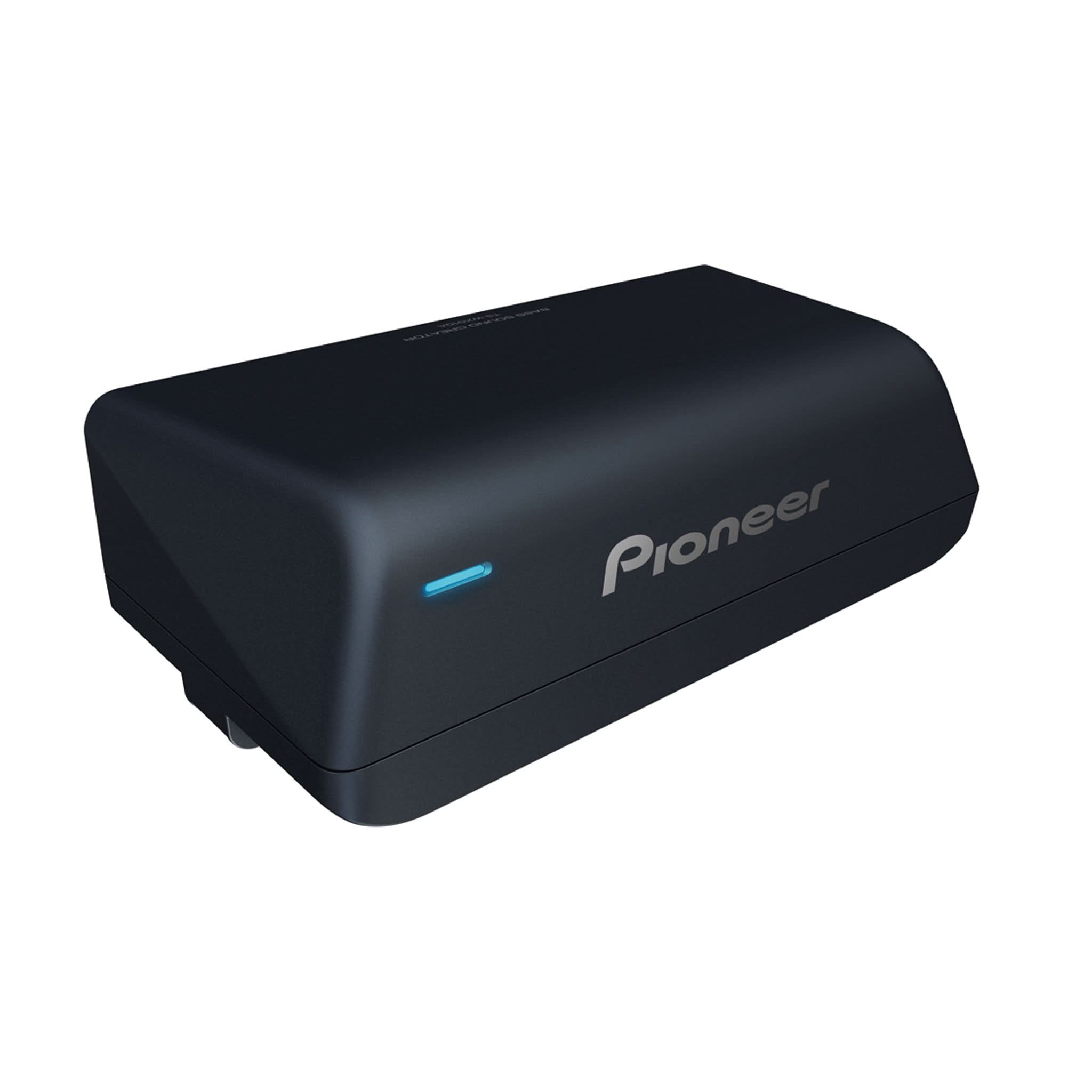
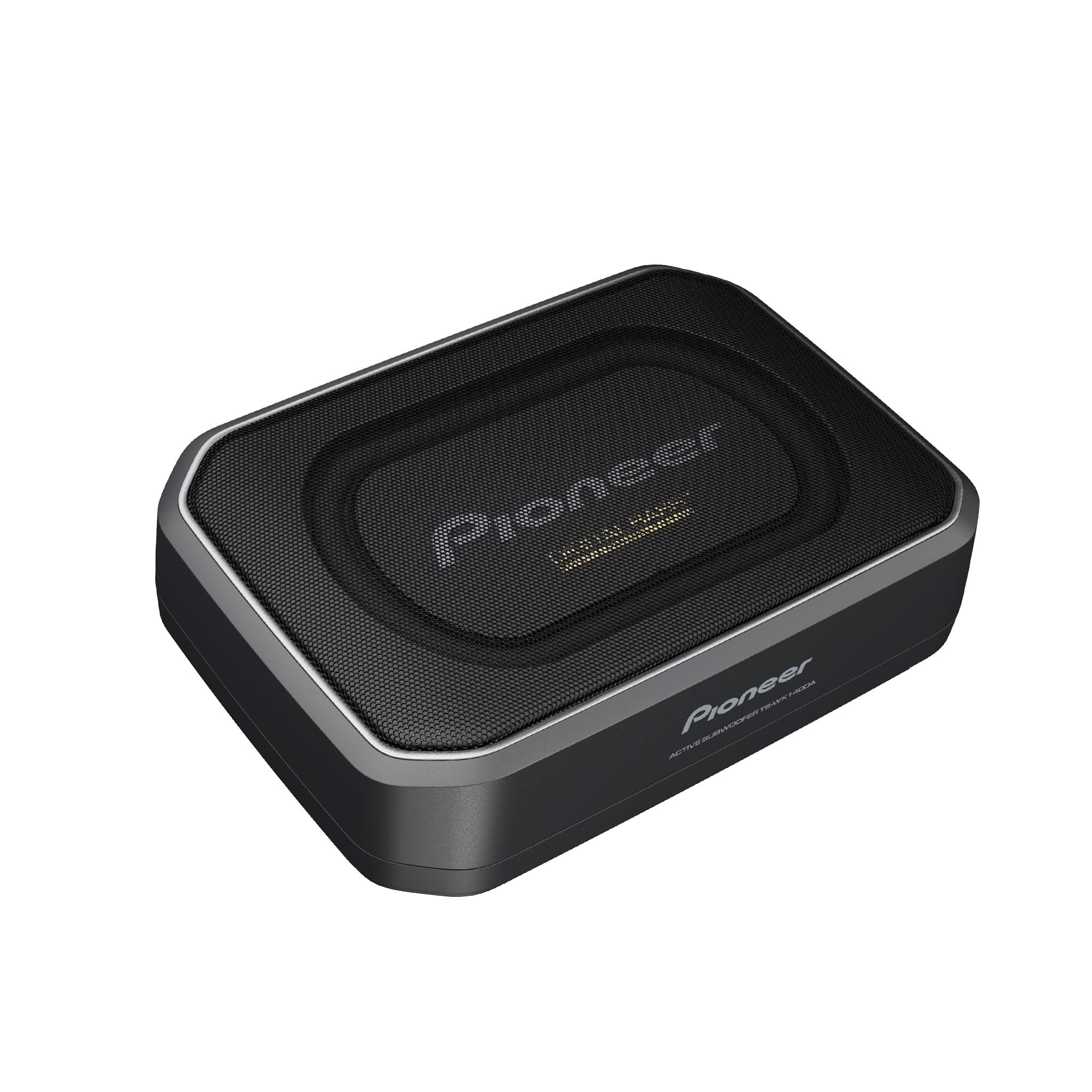
- Ces solutions peuvent être proposées en créant votre propre « recette » en associant un amplificateur à ces caissons de basses fins, avec votre propre conception de boîtier, déjà préchargé dans son boîtier, ou en utilisant une solution tout-en-un consistant en une petite unité de caisson amplifié comme le TS-WX140DA sur la photo suivante.
- Parce que ces petits caissons de basses utilisent généralement un espace limité à l'intérieur d'un boîtier fermé, ils afficheront une efficacité légèrement inférieure à celle d'un caisson plus grand utilisant un boîtier bass-reflex. Cependant, s'ils sont correctement intégrés, ils peuvent être un choix étonnamment bon pour une écoute musicale équilibrée et de haute qualité.

QUELQUES CONSEILS POUR L'INSTALLATION PHYSIQUE
Même si vous achetez le meilleur caisson de basses disponible, si vous ne l'installez pas correctement et selon les meilleures pratiques, vous n'en tirerez pas les meilleures performances. Pour maximiser votre investissement, assurez-vous de :
- Laissez quelques centimètres de dégagement entre le haut-parleur et les parois intérieures de votre voiture pour éviter d'étouffer le son.
- Testez différentes orientations (vers le haut, vers l'arrière, vers l'avant), car l'intérieur de chaque voiture, selon sa forme et ses matériaux, réagira différemment aux ondes sonores et à leur réflexion ou absorption partielle.
-
Fixez solidement le boîtier au châssis (tôle/structure métallique) de votre véhicule :
- Pour éviter qu'il ne bouge lors d'un freinage brusque et garantir une installation sécurisée.
- Pour créer une base solide pour sa structure principale (le boîtier lui-même) afin qu'elle ne bouge pas dans la direction opposée à la poussée du caisson de basses. Tout mouvement de ce boîtier réduira la puissance et la qualité acoustique de votre caisson de basses. À cet effet, Pioneer inclut les accessoires nécessaires et les supports de montage pour sécuriser nos caissons de basses préchargés et les caissons amplifiés tout-en-un de notre série TS-WX.
TYPES ET OFFRES DE CAISSONS DE BASSES
Pour vous éviter une longue liste et description de tous les différents types de caissons de basses disponibles sur le marché, les principales offres de produits populaires se répartissent dans les catégories suivantes :
Caissons de basses vendus individuellement
Ces caissons de basses peuvent être achetés individuellement, pour lesquels vous devrez concevoir et construire un boîtier adapté, en suivant les recommandations du fabricant pour obtenir les meilleures performances, et bien sûr, les connecter à un amplificateur dédié qui correspondra parfaitement à la puissance admissible de vos caissons de basses sélectionnés.
-
Caissons de basses "classiques"
- Construction conventionnelle avec un panier de haut-parleur standard nécessitant un dégagement assez important derrière l'unité du haut-parleur, environ la moitié de sa profondeur, voire plus pour certains modèles.
- Ces subwoofers sont le choix préféré des amateurs sérieux de basses qui disposent de l’espace nécessaire pour ces formats de subwoofers plus grands et qui nécessitent également des caissons plus grands, généralement des caissons bass-reflex.
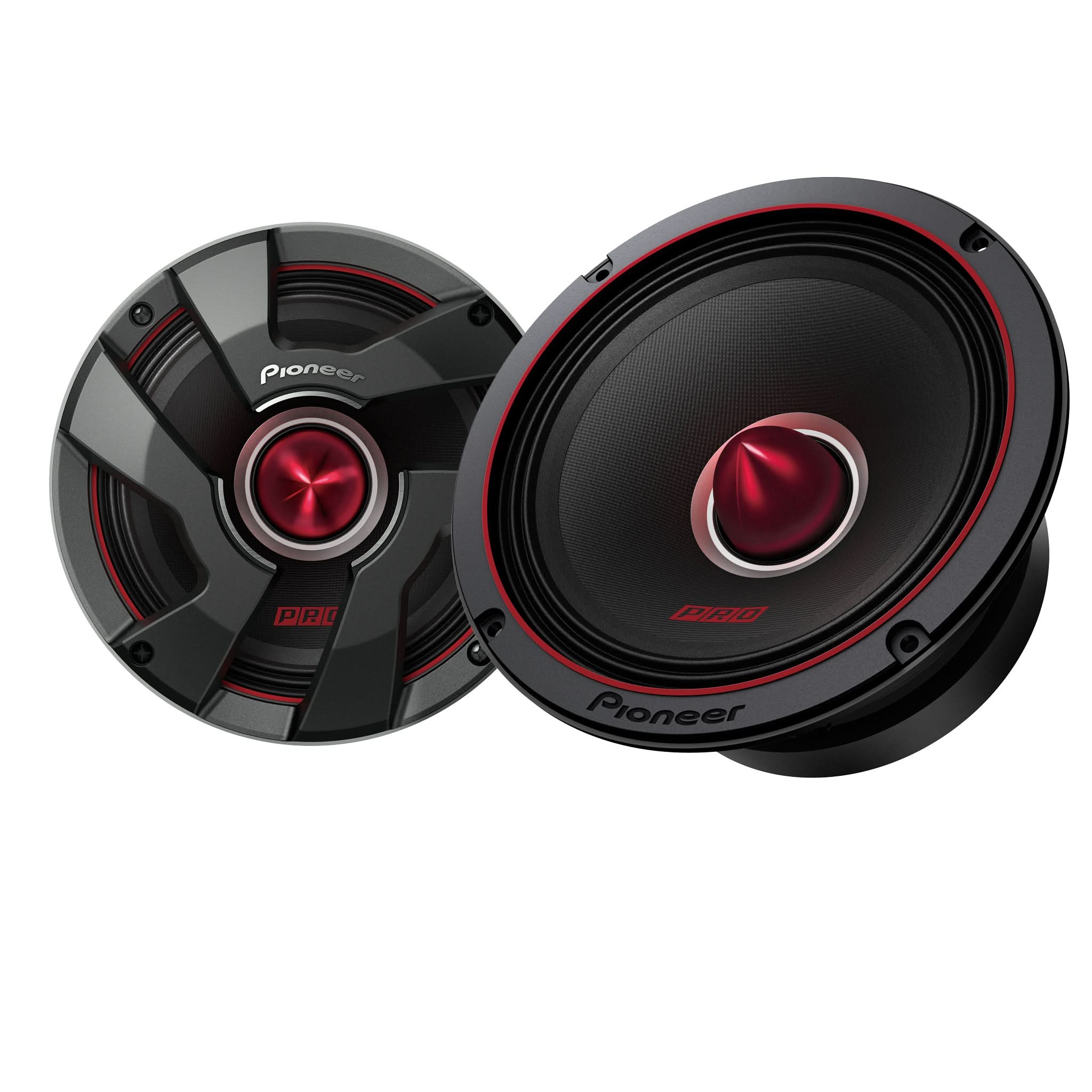
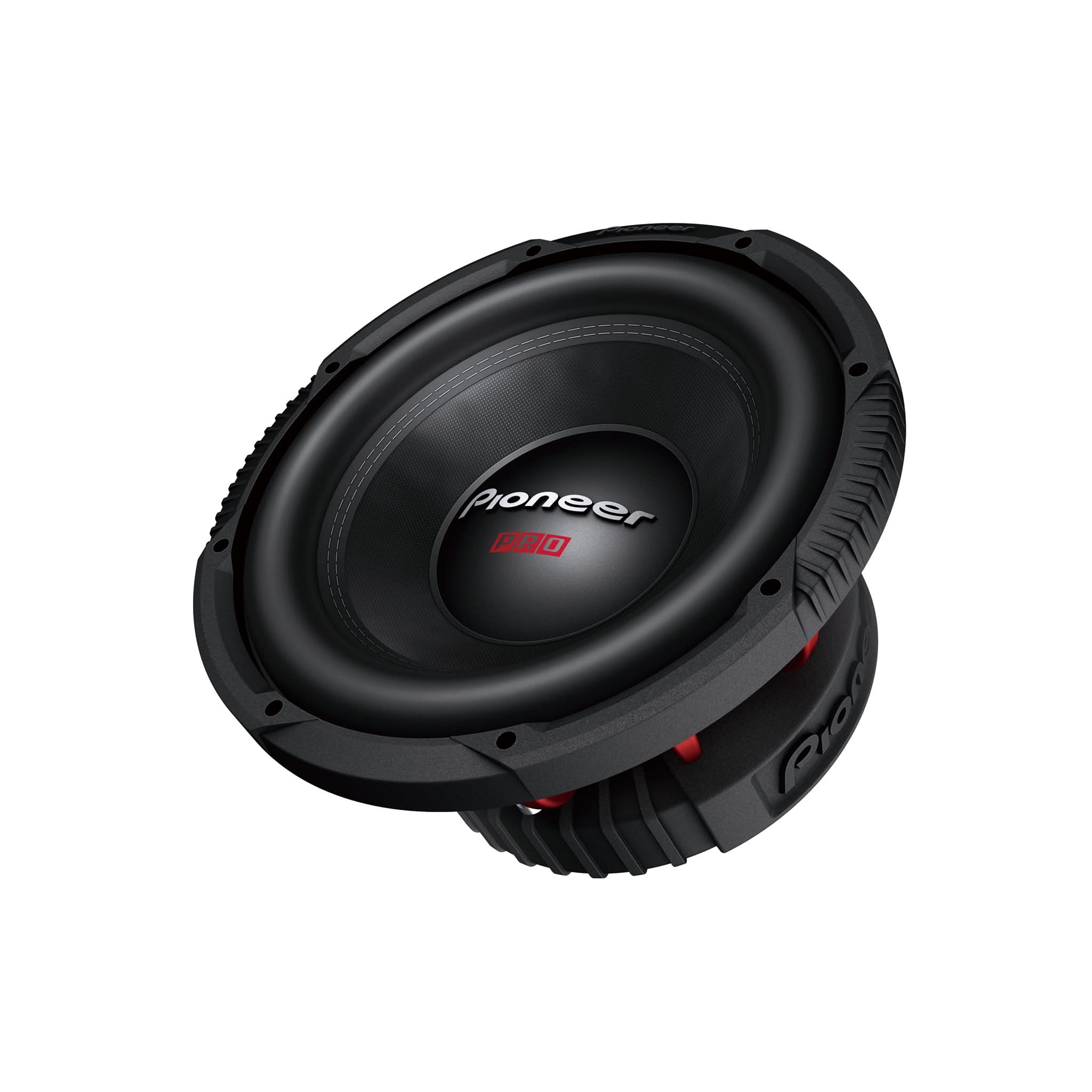
- Nos subwoofers de la série "CHAMPION", notre classique "D Series" ou encore les subwoofers de la “PRO Series” sont d’excellents exemples de ce type de haut-parleur.

-
Subwoofers « Slim »
- Ce design est apparu ces dernières années pour répondre à la demande accrue d’espace réduit dans les véhicules et/ou pour offrir plus d’options d’installation grâce à une profondeur de montage plus faible. Cette profondeur est généralement d’un tiers du diamètre du subwoofer, voire moins pour certains modèles.
- Comme ces haut-parleurs sont normalement optimisés pour utiliser le moins d’espace possible, ils sont conçus pour fonctionner à l’intérieur de caissons étanches petits.
-
Vous trouverez ici diverses offres Pioneer :
- Subwoofers Slim de la série Z (Meilleur)
- Subwoofers Slim de la série D (Mieux)
- Subwoofers Slim de la série A (Bon)

Subwoofers préchargés (Passifs)
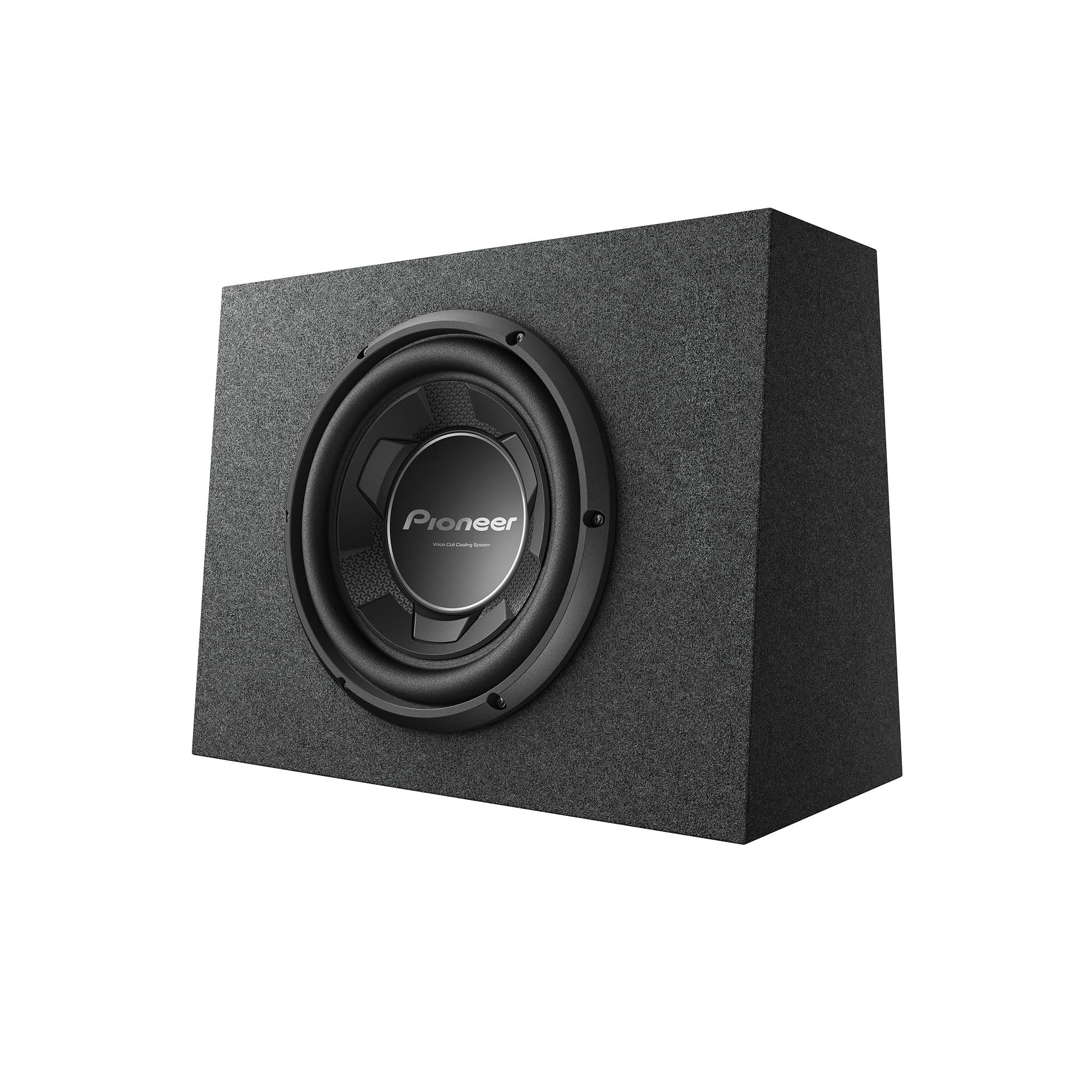
Ces solutions simplifient votre processus d’achat et d’installation en fournissant un subwoofer déjà installé dans un caisson. Bien que vous deviez encore connecter votre subwoofer à un amplificateur externe, choisir ce type de produit vous évite la recherche et la construction de votre propre caisson.
Avantages :
- Gain de temps
- Un caisson conçu spécifiquement pour répondre aux spécifications du fabricant
- Économies et processus « sans tracas » pour ceux qui sont moins bricoleurs et pourraient avoir du mal à obtenir un résultat de qualité en construisant leur propre caisson.
Inconvénients :
- Ce type d’offre n’est pas disponible pour les modèles de subwoofers haut de gamme, comme la série Z.
- Vous serez limité aux dimensions génériques du caisson. Assurez-vous donc qu’il est compatible avec l’espace disponible dans votre voiture.

Subwoofers amplifiés (Tout-en-un)
Ces solutions, proposées pour répondre à deux types de besoins clients, sont généralement disponibles comme suit :
- Une solution répondant à un besoin spécifique avec « Petit » comme mot-clé, nécessitant à la fois une faible consommation d’énergie et un encombrement réduit ou un espace de chargement de véhicule limité, ou,
- Une solution abordable et facile à installer pour quelqu’un cherchant une solution de basses facile à installer, que ce soit avec une radio d’équipement d’origine (OEM) ou du marché secondaire, et disposant d’un budget limité.
La version "Budget" de ces produits est généralement proposée par Pioneer sous forme d’un caisson monté dans le coffre, incorporant habituellement des subwoofers de construction plus conventionnelle et étant plus grande que les produits mentionnés dans la première catégorie. (Voir nos TS-WX1010A ou TS-WX1210A comme exemples.)

La solution "Petite taille & faible consommation d'énergie" intégrera nos dernières technologies pour répondre aux besoins typiques d'un client cherchant à améliorer la performance acoustique de son véhicule quotidien sans compromettre l'espace intérieur ni l'esthétique. De plus, avec l'arrivée de nouveaux types de véhicules — électriques, hybrides et autres — le besoin d'efficacité énergétique ne cesse d'augmenter, rendant ces solutions extrêmement attractives.
Ne vous laissez pas tromper par leur petite taille. Il est important de comprendre que, dans le cas de nos solutions TS-WX, Pioneer gère chaque composant : l'alimentation, l'amplification, le caisson de basses, l'enceinte et le traitement acoustique global, garantissant qu'ils fonctionnent tous en parfaite harmonie. Il n'y a pas de meilleure façon d'optimiser la conception du produit et de garder un contrôle total. Pensez-y comme ce que l'iPhone représente pour les smartphones, appliqué aux petits caissons de basses. (Voir nos TS-WX400DA ou TS-WX140DA comme exemples.)

GÉRER LES ENCEINTES (BOÎTES)
Types d'enceintes pour caissons de basses
Tout comme il existe différents types de caissons de basses, il existe également différents types d'enceintes disponibles sur le marché. Ici, je souhaite attirer votre attention spécifiquement sur les deux formats les plus populaires : l'enceinte fermée et l'enceinte ventilée, également appelée caisson bass-reflex. Il est important de noter que, même si vous avez le meilleur caisson de basses, si vous ne l'installez pas dans la bonne enceinte, celle qui correspond aux spécifications, vous n'obtiendrez jamais de bons résultats. Certains caissons sont spécialement conçus pour une enceinte scellée, d'autres pour un bass-reflex, et certains designs sont compatibles avec les deux. Chaque conception d'enceinte a ses avantages et ses inconvénients ; c'est à vous de choisir le bon modèle et le bon caisson pour atteindre vos objectifs.
L'enceinte scellée
L'enceinte scellée est le design le plus simple à réaliser. C'est simplement une boîte hermétique avec un volume spécifique, déterminé par les spécifications de votre caisson de basses. Ce type d'enceinte est généralement le meilleur choix pour ceux qui recherchent un son naturel dans les basses fréquences.
Avantages :
- Le design nécessite le volume d'air le plus petit possible.
- Permet un meilleur contrôle et une réponse plus rapide de votre caisson de basses.
- Offre une dynamique améliorée, en particulier avec les basses extrêmement profondes.
- Maintient un contrôle d'excursion plus linéaire sur une grande partie de la plage de fréquences audio.
- Produit généralement une courbe de réponse en fréquence plus naturelle et linéaire.
- Décalage de phase inférieur et meilleure réponse en groupe minimisant les problèmes de phase possibles pour une intégration en voiture
Inconvénients :
- Légère perte d'efficacité due à la compression interne de l'air.
- Moins efficace à faible puissance, particulièrement aux fréquences les plus basses.
Ce type d'enceinte devient de plus en plus populaire en raison de la demande croissante pour des caissons plus fins nécessitant des volumes d'enceinte plus petits. Il est cependant très important de noter qu'un caisson fin n'est pas nécessairement conçu pour fonctionner dans des espaces réduits. Faites vos recherches pour vérifier les courbes de réponse en fréquence produites par ces caissons lorsqu'ils sont placés dans les enceintes que vous comptez utiliser dans votre installation. Vous serez surpris de voir que les résultats varient grandement d'un fabricant ou modèle à l'autre. Pour une installation audiophile, l'objectif est d'obtenir une courbe de réponse en fréquence avec un facteur Q de 0,707 une fois le caisson dans l'enceinte.

L'enceinte Bass-Reflex
Ce design d'enceinte utilise un système de résonance passive pour amplifier certaines basses fréquences et augmenter la sortie de votre caisson de basses. Ce résonateur passif consiste généralement en un tube intégré à l'enceinte, de forme ronde ou rectangulaire. Cette « ouverture » doit être précisément calculée en fonction du volume de l'enceinte et des spécifications de votre caisson. Lors de l'excursion du caisson, les pressions d'air internes de l'enceinte interagissent avec le volume d'air dans le tube de ventilation, créant, selon les fréquences et l'excursion, un flux d'air bidirectionnel qui prend le relais du caisson pour produire une amplitude plus grande à certaines fréquences.
Avantages :
- Produit significativement plus de basses avec moins de puissance.
- Permet de ressentir les très basses fréquences et génère plus de mouvement d'air.
- Selon le caisson de basses et l'accord, ce design peut générer des basses profondes avec plus d'intensité et d'efficacité qu'un design de caisse fermée.
Inconvénients :
- Les basses peuvent être moins rapides et présenter moins de précision et de dynamisme qu'un design de caisse fermée.
- La courbe de réponse en fréquence typique sera moins lisse, présentant généralement une efficacité maximale sur une plage spécifique avant de chuter fortement aux fréquences inférieures à la fréquence de résonance calibrée de la caisse.
- Perte de puissance importante aux fréquences inférieures à la fréquence de résonance calibrée de la caisse. (Veillez à bien calibrer !)
- Le mouvement de l'air dans le tube peut générer plus ou moins de bruit de ventilation selon la conception.
- Volume de caisse plus grand et plus complexe à fabriquer qu'une caisse fermée. Ce design présente un décalage de phase et un retard de groupe significatifs par rapport à une enceinte fermée, ce qui le rend plus complexe à intégrer avec d'autres haut-parleurs.
Ce type de design est très apprécié de ceux qui aiment des fréquences basses plus prononcées et une haute efficacité. C'est souvent le choix préféré des passionnés de son recherchant un SPL (niveau de pression sonore) élevé, où chaque décibel compte.

Quel design d'enceinte devrais-je choisir ?
Pour choisir entre un design d'enceinte scellée et une enceinte bass-reflex, vous devez d'abord considérer vos préférences sonores et vos objectifs.
- Une enceinte scellée offre des basses précises et dynamiques, mais est légèrement moins efficace (décibels/watts générés) et nécessite un volume d'air plus petit, prenant ainsi moins de place.
- Une enceinte bass-reflex délivre des basses plus puissantes, plus profondes et plus efficaces, mais est légèrement moins musicale et nécessite un volume d'air plus important, ce qui entraîne une plus grande perte d'espace de chargement.
IMPORTANT !
Ensuite, si vous avez bien lu et compris les informations ci-dessus, il sera important de sélectionner le bon type d'enceinte, MAIS AUSSI de choisir un subwoofer adapté.
Selon le design, certains subwoofers sont optimisés pour une meilleure performance acoustique dans des enceintes scellées, tandis que d'autres sont optimisés pour des enceintes bass-reflex. Pour déterminer efficacement la bonne correspondance, vous devrez vous référer aux paramètres "Thiele/Small" du subwoofer.
- Fs, la fréquence de résonance typique du subwoofer
- Qes, le facteur d'amortissement électrique du subwoofer
Diviser la fréquence de résonance par le facteur d'amortissement électrique (Fs/Qes) vous donne une valeur "EBP" (Efficient Bandwidth Product), qui vous permettra de déterminer si le subwoofer est optimisé pour une enceinte scellée ou bass-reflex.
- Toute valeur inférieure à 50 confirme un subwoofer optimisé pour une enceinte scellée.
- Une valeur comprise entre 50 et 100 permettra l'un ou l'autre type (selon vos préférences et besoins).
- Toute valeur supérieure à 100 confirme un subwoofer optimisé pour une enceinte bass-reflex.

Conclusion
Nous sommes maintenant arrivés à la fin de cet article et la conclusion principale est qu'il n'existe pas de mauvais subwoofers, mais plutôt que les choix et la combinaison des technologies et des designs que vous faites, en fonction de vos besoins et des contraintes d'installation, aboutiront soit à d'excellents résultats, soit à des déceptions. C'est l'une des principales raisons pour lesquelles Pioneer propose différentes technologies, formats et séries de subwoofers pour mieux répondre à ces besoins divers. Vous avez maintenant les outils à votre disposition ; c'est à vous de décider si vous utiliserez un marteau pour construire quelque chose de grand ou pour vous taper sur les doigts !